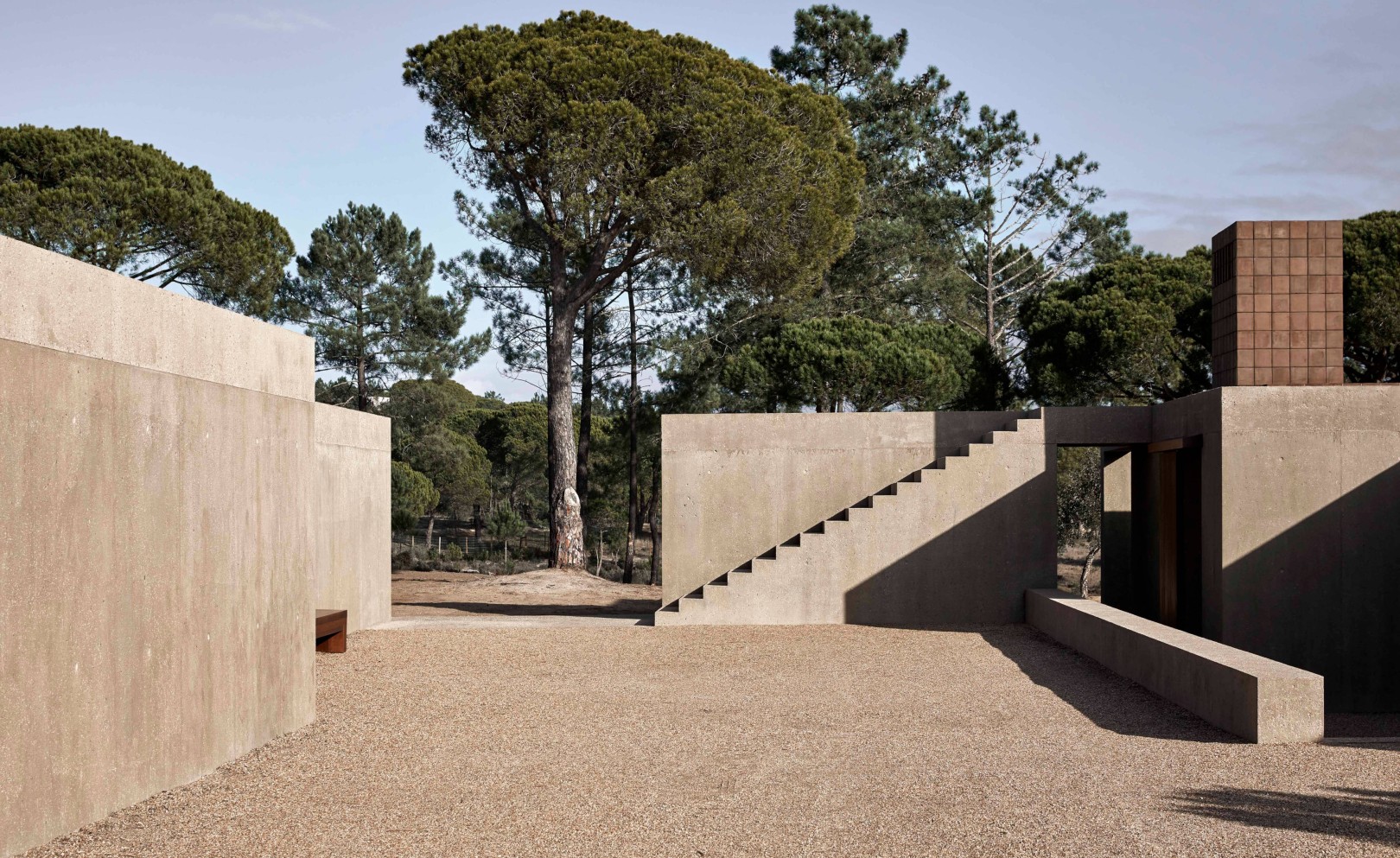
Concrete has long been synonymous with strength, permanence, and utility. Yet in recent years, it has quietly transformed, one that mirrors the way fashion, art, and industrial design continuously reframe familiar materials into something emotionally resonant and culturally relevant. As industrial design evolves, concrete is no longer simply a structural necessity; it has become a medium of expression, storytelling, and refined craftsmanship.
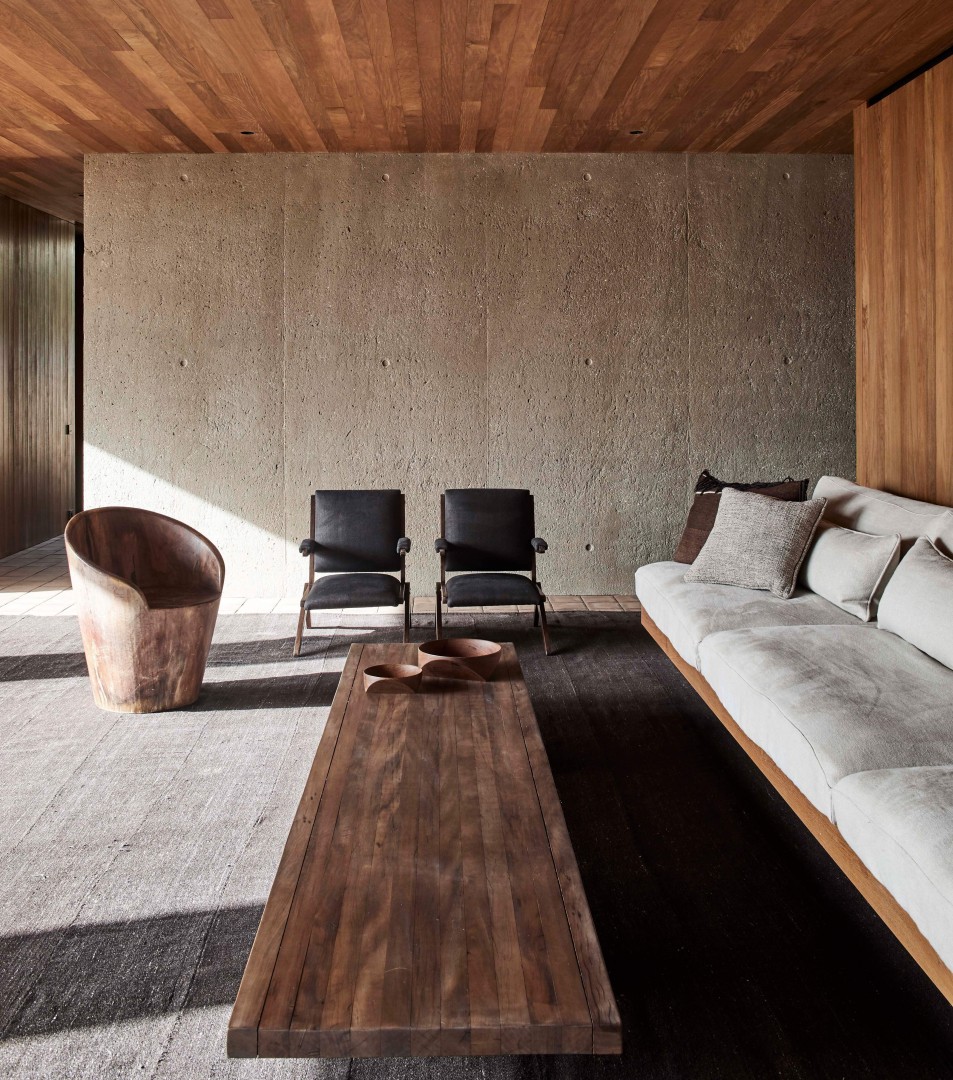
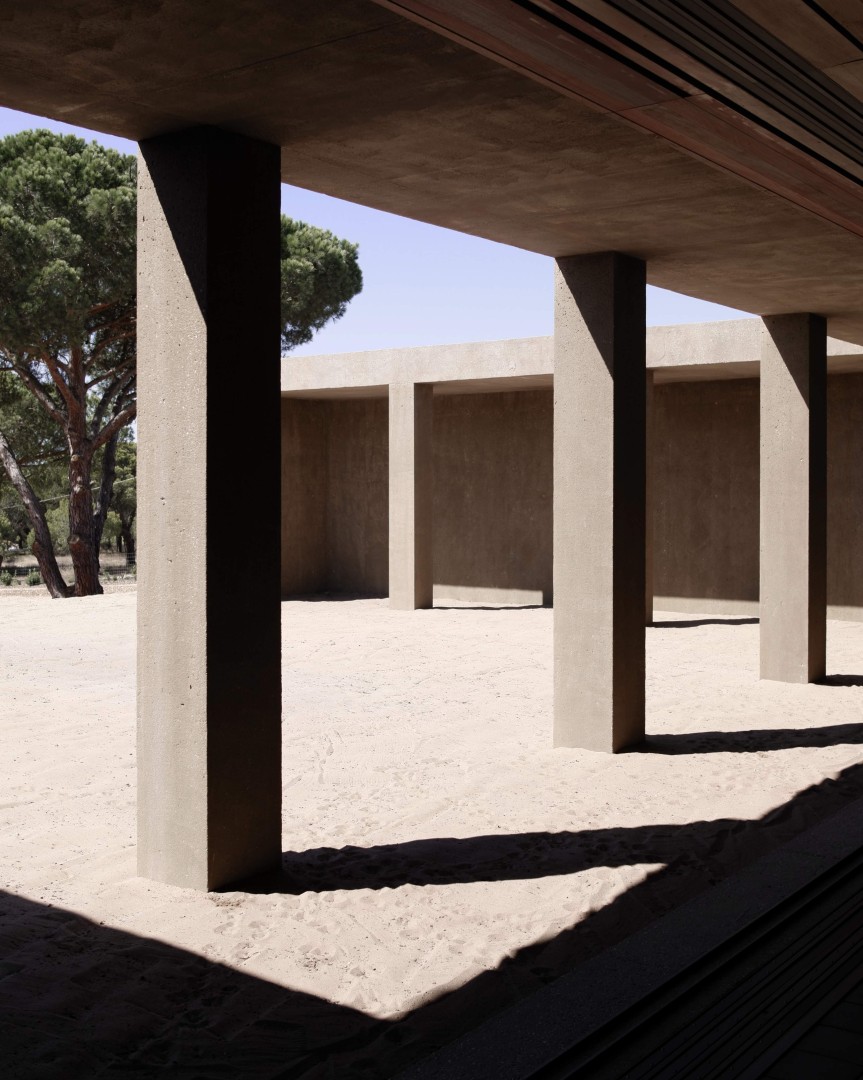
One of the most notable trends shaping the future of concrete design is the celebration of material honesty. Much like fashion’s embrace of raw hems, exposed seams, and tactile fabrics, industrial designers are allowing concrete to exist unapologetically as itself. The subtle imperfections, such as air pockets, tonal variations, and surface irregularities, are no longer disguised but elevated. This approach is beautifully embodied in the work of Belgian architect and designer Vincent Van Duysen, whose minimalist spaces often feature concrete as a grounding, emotional presence rather than a cold backdrop. His work demonstrates how restraint and material integrity can evoke warmth and sophistication rather than austerity.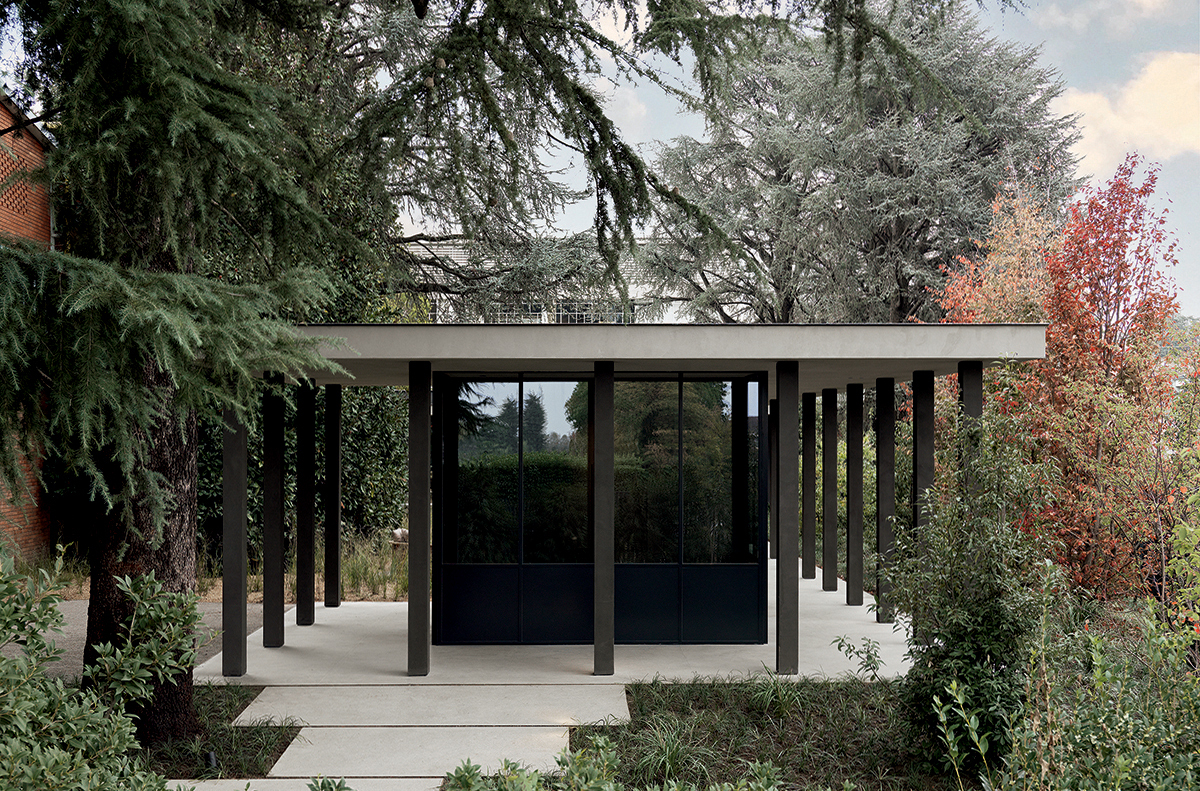
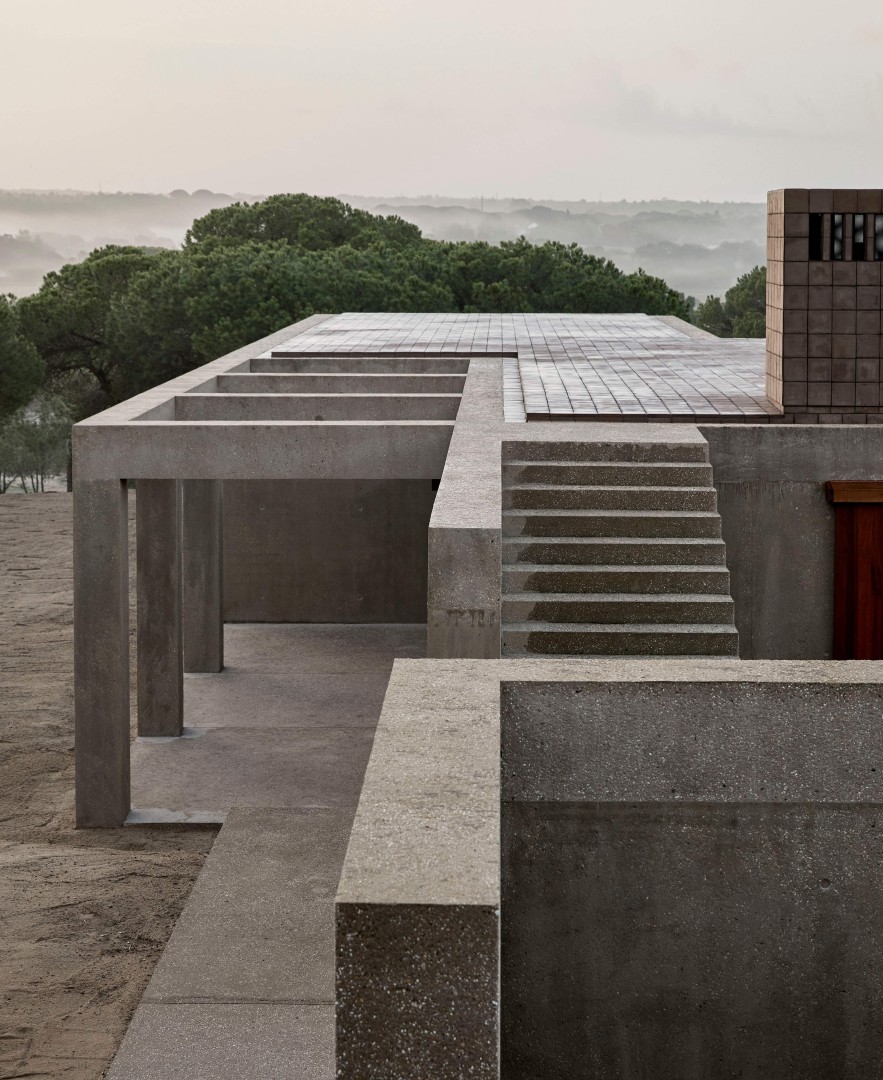
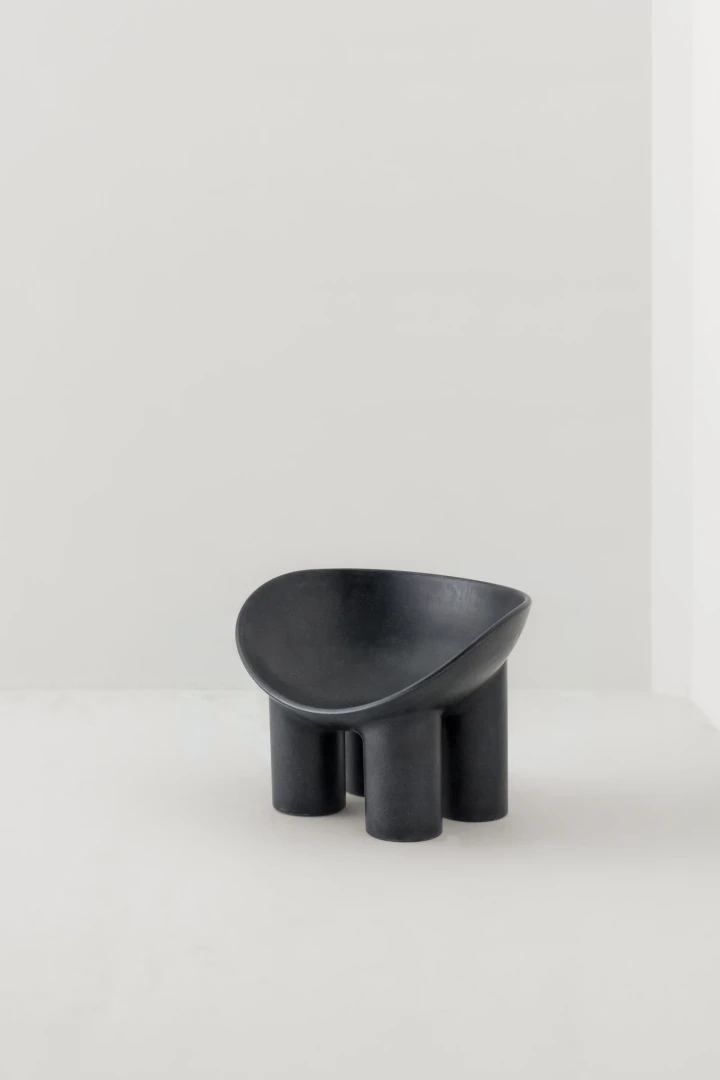
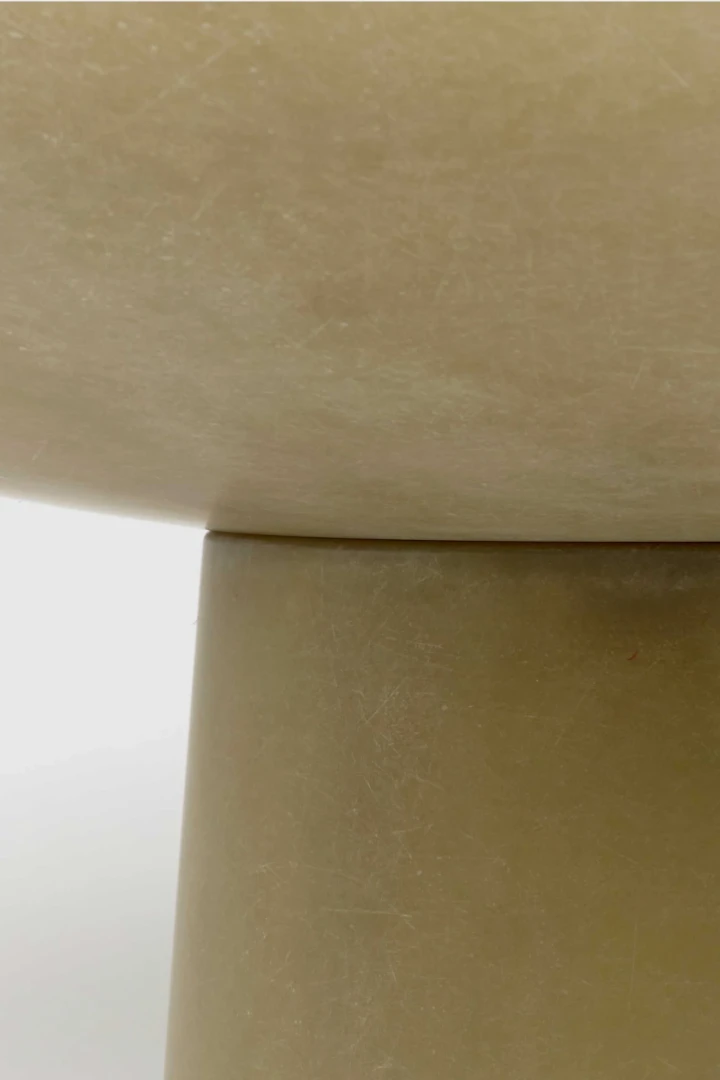
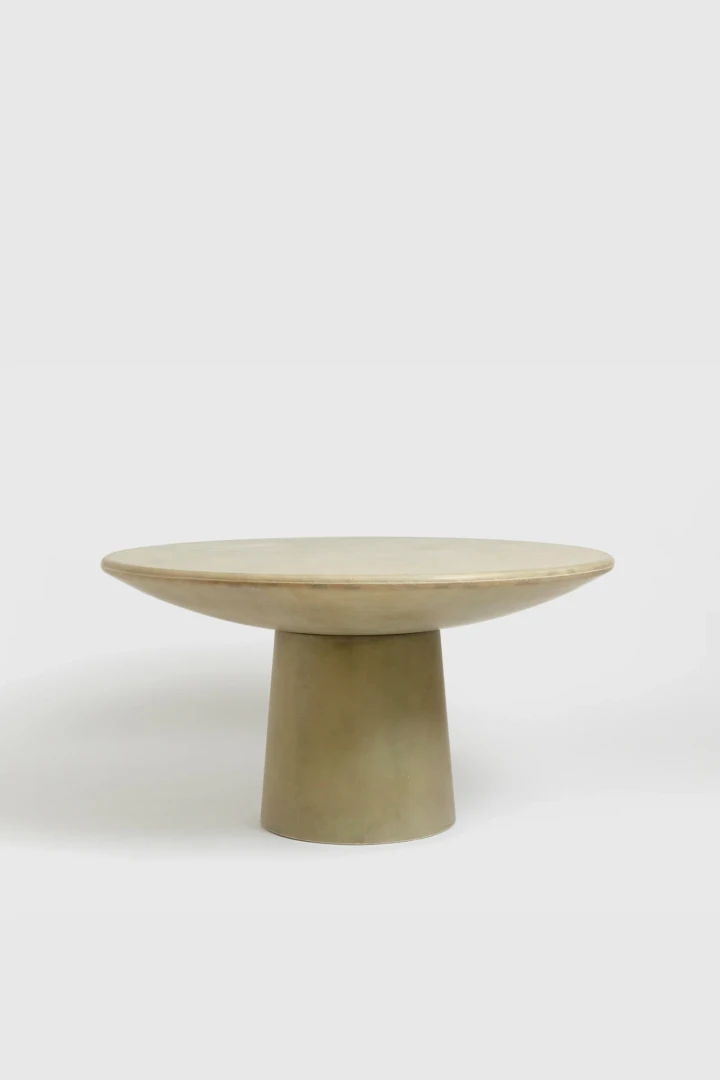
Another compelling direction is concrete’s increasing dialogue with softness and fluidity. Traditionally perceived as rigid and immovable, concrete is now being moulded into organic, almost sculptural forms that challenge our expectations. Designers such as Faye Toogood blur the boundaries between art, furniture, and architecture, creating concrete pieces that feel instinctive and human. Her work suggests that industrial materials can still communicate sensitivity and intuition, qualities once reserved for textiles or ceramics.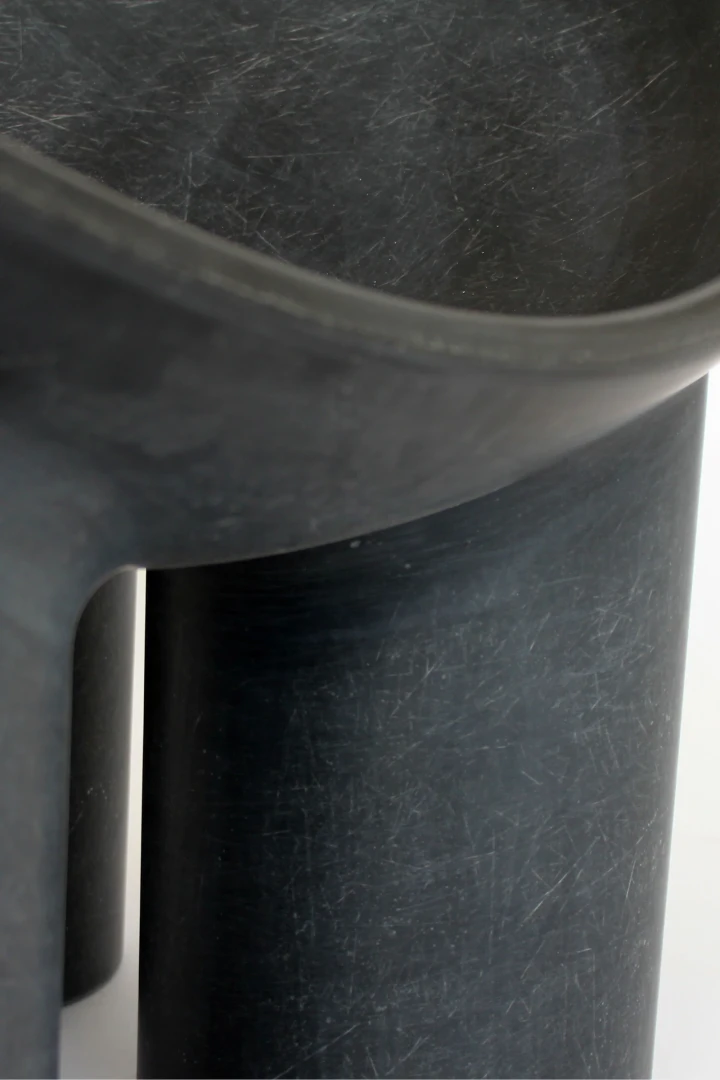
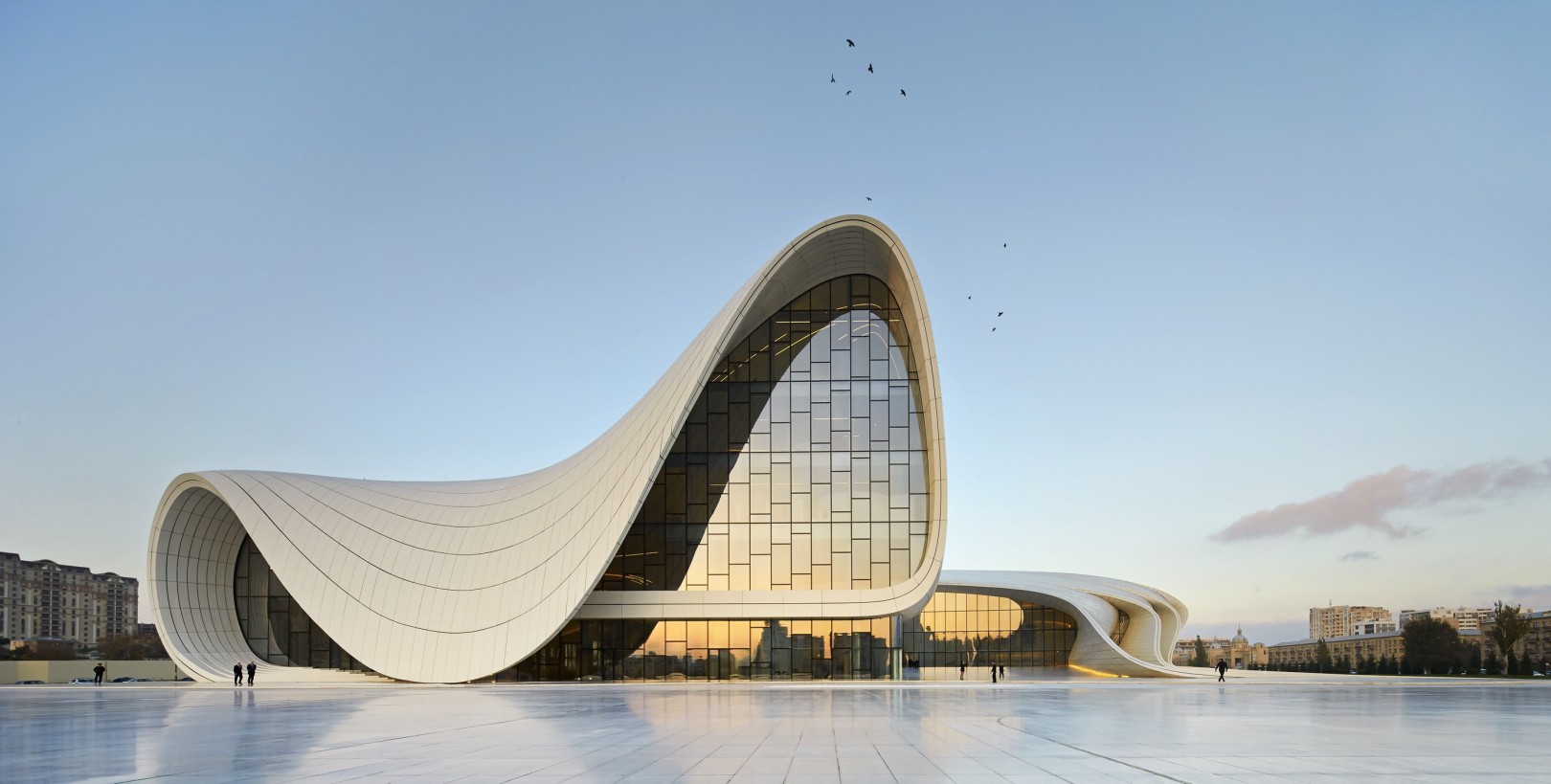
This shift toward sculptural expression has also been championed by Zaha Hadid Architects, whose experimental use of concrete pushes the limits of form and movement. Inspired by natural geometries and parametric design, their work demonstrates how concrete can embody motion, echoing the way pleated fabrics or draped silhouettes behave in couture.
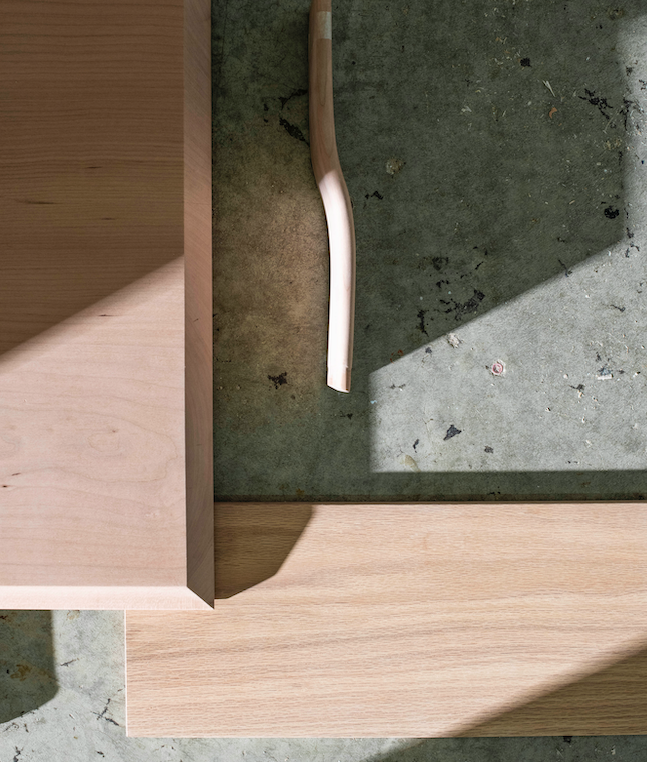
Sustainability is another driving force reshaping concrete’s role in industrial design. Much like fashion’s pivot toward conscious production and longevity, concrete fabrication is responding with innovation. We now see exploration of low-carbon mixes, recycled aggregates, and longer-lasting designs, which are intended to age gracefully rather than be replaced. Studios such as Studio Swine have gained attention for their experimental approach to material reuse, often creating furniture and objects that challenge conventional manufacturing while celebrating circular design principles.
In interiors and commercial spaces, we’re also seeing concrete move beyond floors and walls into bespoke objects like benches, sinks, lighting, and architectural details that act as both functional elements and sculptural features. This mirrors fashion’s crossover into lifestyle and homeware, where brand identity and craftsmanship remain intact regardless of medium. Concrete, much like a well-tailored garment, can now be customised, pigmented, polished, or textured to reflect an individual or brand’s aesthetic language.
Colour experimentation is subtly emerging as well. While grey remains timeless, designers are exploring muted earth tones, chalky whites, and soft mineral hues that reference nature and tactility. These choices feel intentional rather than decorative, reinforcing concrete’s role as a foundational material that quietly anchors a space.
At its core, the resurgence of concrete in industrial design speaks to our desire for authenticity. In a world increasingly dominated by the digital and disposable, concrete offers weight, permanence, and presence. It invites touch. It records time. It tells a story through wear and patina rather than perfection.
Perhaps the most interesting question to consider is this: as concrete continues to evolve from an industrial staple into a deeply personal design material, how might we begin to treat our built environments the way we treat our wardrobes, not just as necessities, but as curated expressions of who we are, what we value, and what we choose to leave behind?
References:
Figure 1.1 → 1.4 - VINCENT VAN DUYSEN - CASA M Melides, Portugal, 2019
Figure 2.1 → 2.2 - VINCENT VAN DUYSEN- Molteni&C Pavilion Giussano, Italy 2022
Figure 3.1 → 3.2 - FayeToogood - Roly Poly Chair, Charcoal
Figure 4.1 → 4.2 - FayeToogood - Roly Poly Table, RAW
Figure 5 - Zaha Hadid - Heydar Aliyev Centre
Figure 6 - Studio Swine - Humble Administrators Chair
